DISRUPT Framework
The DISRUPT framework is a set of circular strategies for product development developed by Circle Economy. [91] The framework is based on the Key Elements framework - which highlights the different components of a circular economy. [45] The DISRUPT framework is organized as a three-tier hierarchical system of strategies, where Tier 1 strategies correspond to each element of the Key Elements framework. [91]
The Tier 1 strategies are classified into Core and Enabling strategies. Core strategies involve activities that directly influence material flows, while Enabling strategies remove the barriers that prevent core circular strategies from prevailing. These enabling strategies help create the conditions necessary for circularity but do not bring about a direct change in material flows.[91]
The Tier 1 and Tier 2 strategies of the DISRUPT framework are as follows:
- D - Design for the Future - Enabling Strategy
- Adopt a systemic perspective during the design process, to employ the right materials for appropriate lifetime and extended future use. [91]
- Tier 2 strategies
- Design out waste
- Design for cyclability
- Design for durability
- I - Incorporate Digital Technology - Enabling Strategy
- Track and optimize resource use and strengthen connections between supply-chain actors through digital, online platforms and technologies. [91]
- Tier 2 strategies:
- Data and insights: Employ technologies to gather and analyze data to provide insights on resource use. [91]
- Digital platforms: Employ online platforms to connect and improve information sharing between stakeholders. [91]
- S - Sustain & Preserve What’s Already There - Core Strategy
- Maintain, repair and upgrade resources in use to maximize their lifetime and give them a second life through take-back strategies, where applicable. [91]
- Tier 2 strategies:
- Maximize lifetime of products in-use
- Maximize lifetime of products after use
- Maximize lifetime of biological products
- R - Rethink the Business Model - Enabling Strategy
- Consider opportunities to create greater value and align incentives through business models that build on the interaction between products and services. [91]
- Tier 2 strategies:
- Product business models
- Service business models
- U - Use Waste as a Resource - Core Strategy
- Utilize waste streams as a source of secondary resources and recover waste for reuse and recycling. [91]
- Tier 2 strategies:
- Valorize waste streams - closed loop: Reuse, repurpose, and recycle waste streams within
the same industry. [91]
- Valorize waste streams - open loop: Reuse, repurpose, and recycle waste streams within other industries. [91]
- Energy recovery from waste [91]
- P - Prioritize Regenerative Resources - Core Strategy
- Ensure renewable, reusable, non-toxic resources are utilized as materials and energy in an efficient way. [91]
- Tier 2 strategies:
- Regenerative materials: Utilize bio-based, reusable, non-toxic and non-critical materials for products [91]
- Regenerative water: Replace freshwater with rainwater or seawater and enact water efficiency measures [91]
- Regenerative energy [91]
- T - Team Up to Create Joint Value - Enabling Strategy
- Work together throughout the supply chain, internally within organisations and with the public sector to increase transparency and create shared value. [91]
- Tier 2 strategies:
- Industry collaboration
- Customer/consumer collaboration
- Government collaboration
- Internal collaboration
- Community collaboration
The DISRUPT framework is applied at the product level within an organisation. The Tier 3 strategies of the framework are more detailed and refer to specific approaches that can be implemented at the product level. These strategies could be found on the Circle Economy Knowledge Hub [91]
Four Flows Framework
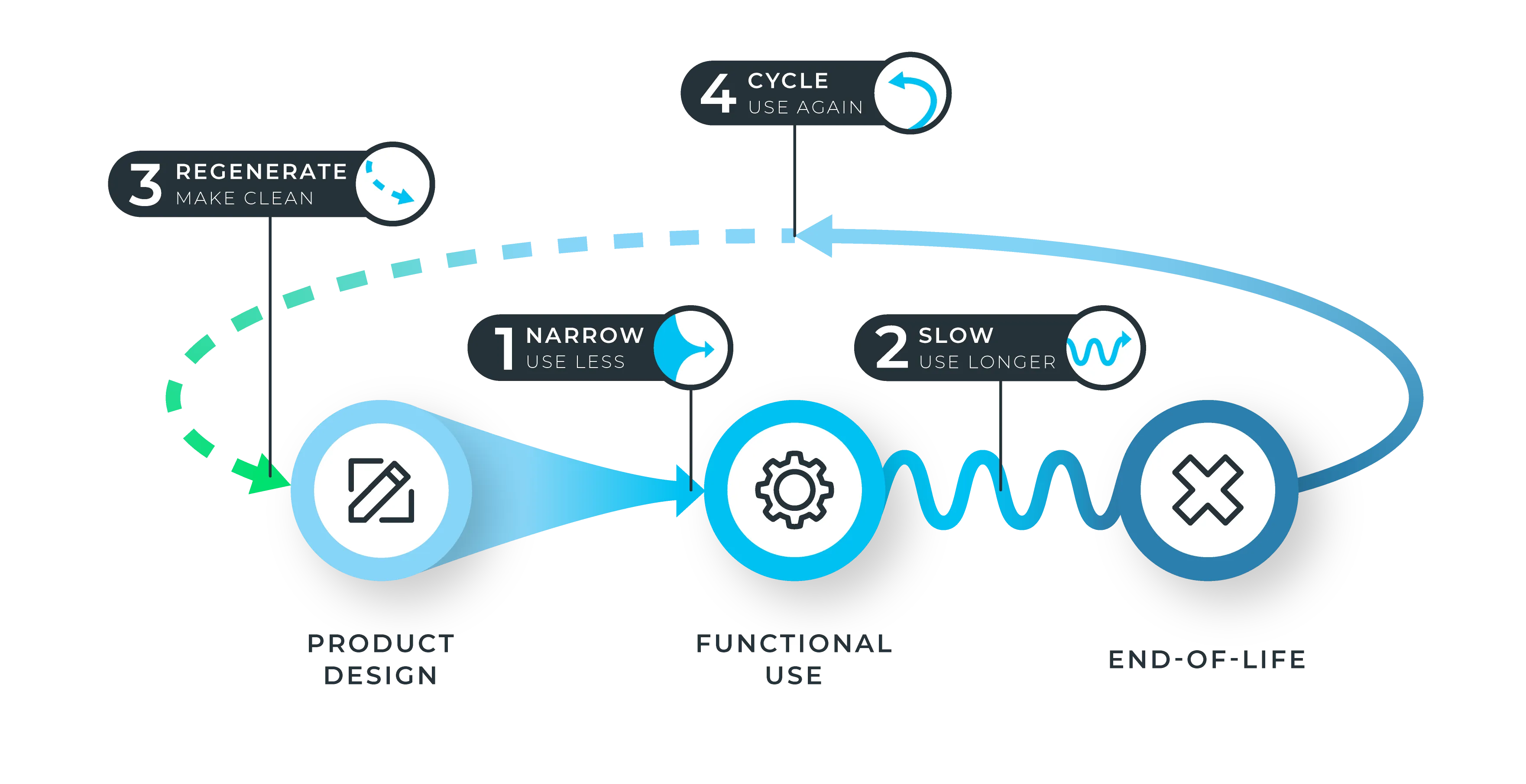
Figure 2 - The Circularity Gap Report 2023, Circle Economy
The four flows framework is a set of strategies based on the work of Bocken et al. (2016). The framework categorizes strategies based on the mechanisms by which resources flow through the system. [65] [92] [93] [94]
- Narrow: Use Less
- Narrowing resource flows (or resource efficiency) aims at using fewer resources per product. It involves reducing resource use associated with the product and production process. [92]
- While this approach could result in fewer resources flowing through the system, it does not affect the speed of resource flow. The resources could still move faster or slower though the system. Therefore, focusing solely on narrowing resource flows might actually accelerate linear flows (for example, increase in the sale of a more efficient product), leading to greater resource use over time. [92]
- Slow: Use Longer
- ‘Slowing’ resource loops involve prolonged and intensive use of products and components over time, through design of long life goods and product life extension.[92] [65]
- By extending a product’s life through service loops (repair and remanufacturing, for instance), the utilization period of products is extended or intensified, resulting in a slowdown of the flow of resources through lower material demand in the long run. [92] [93]
- Regenerate: Make Clean
- Regenerate strategies involves the substitution of finite material resources (especially hazardous or toxic materials) by sustainably produced, regenerative material resources (such as bioresources), or alternative primary resources which exert less environmental pressure. [65] [93]
- From a material flow perspective, the use of renewable energy is not considered as a relevant strategy since it doesn’t involve any material flows. [93]
- These type of strategies are also referred to as “Substitution” strategies. [65]
- Cycle: Use Again
- Closing resource loops involves closing the loop between post-use and production through the recycling of materials. [92]
- These strategies cycle and reuse materials at their highest value within the economy. They maximize the volume of secondary materials re-entering the system leading to a decrease in the demand for raw materials. [93]
- In this approach, only non-reusable waste is incinerated or landfilled. [65]
R-Strategies & The Circularity Ladder